
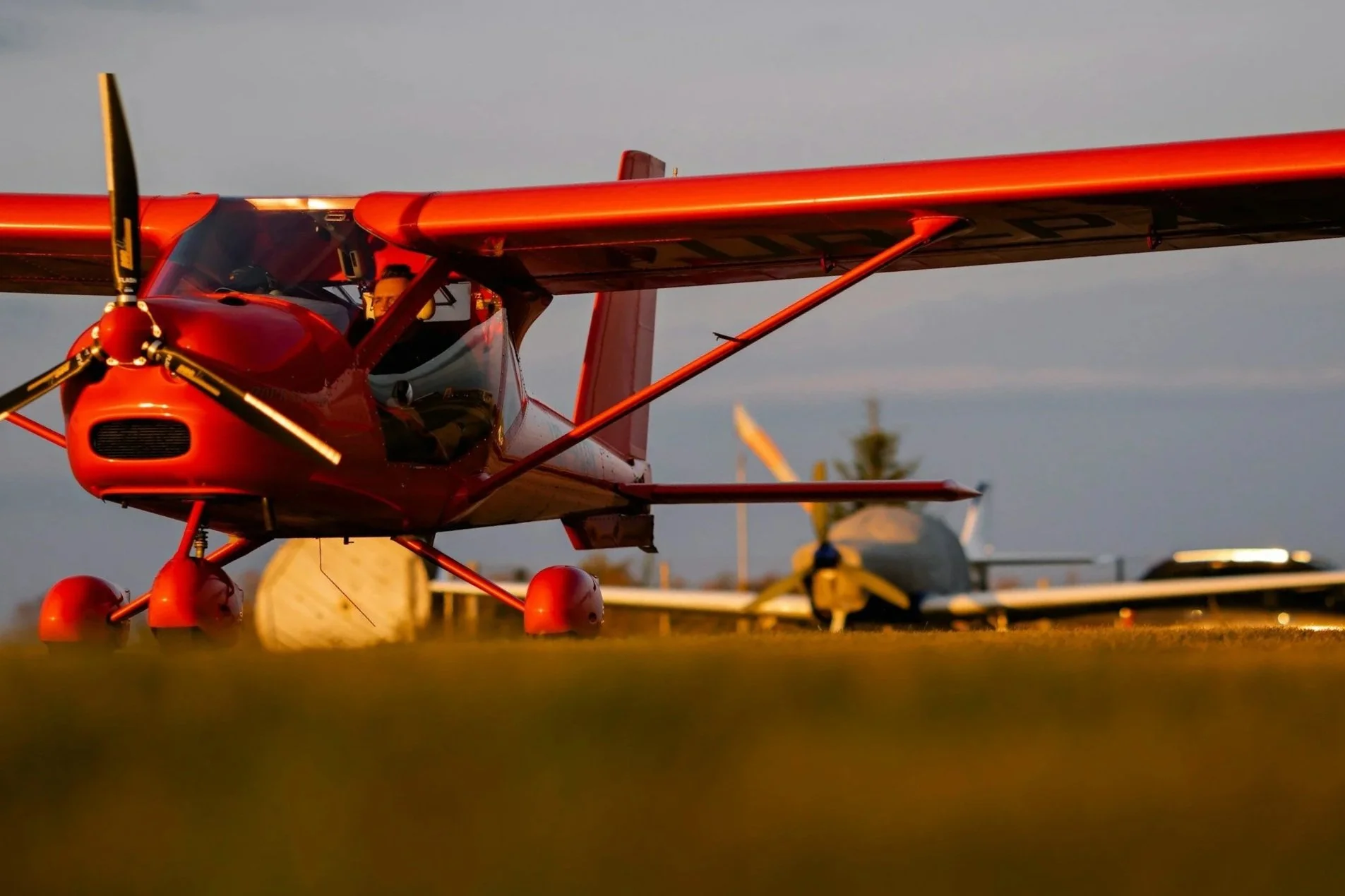
Sport Pilot Rating
A certification that allows you to fly an aircraft for personal, non-commercial use. It’s the foundational license where you learn the basics of flying, navigation, and safety, giving you the ability to plan and complete flights on your own.
Last updated: April 2026 | Reference: 14 CFR §61.103
What is a sport Pilot License?
A sport pilot license is a certification that allows you to fly light-sport aircraft for personal, recreational use under simplified regulations set by the FAA. It’s one of the fastest and most affordable ways to start flying, with training focused on essential skills like takeoffs, landings, navigation, and safety.
Compared to higher certifications like a private pilot license, a sport pilot license comes with more limitations—you’ll typically fly during the day, in good weather, in smaller aircraft, and with only one passenger. It’s a great entry point for hobby flying, while more advanced licenses offer greater flexibility, capability, and travel opportunities.
What Are the Eligibility Requirements for a Sport Pilot Certificate?
To earn a Sport Pilot Certificate, students must pass a practical test with an FAA examiner that includes both an oral and flight portion. Prior to this, an instructor must train and endorse the student, confirming they meet all required flight experience. Students must also pass a written knowledge exam. Applicants must be at least 17 years old, able to read, speak, write, and understand English, and hold a valid U.S. driver’s license in place of an FAA medical certificate.
-
You’re limited to light-sport aircraft (LSA) — small, simple aircraft with weight, speed, and seating limits (max 2 seats).
You can fly for personal, recreational use with one passenger, typically during the day and in good weather (VFR). You can’t fly for hire, at night, or in most controlled airspace without additional training and endorsements.
-
To earn a Sport Pilot Certificate, a pilot must:
Be at least 17 years of age
Read, speak, write, and understand the English language
Hold a U.S. student pilot certificate
Hold at least a valid U.S. driver’s license (in place of an FAA medical certificate) or an FAA medical certificate
Receive flight training and a logbook endorsement from an authorized instructor
Meet the aeronautical experience requirements for the aircraft category and class sought
Pass a knowledge (written) test
Pass a practical (checkride) test for the aircraft rating sought
Reference 14 CFR §61.303 for operating limits and endorsement requirements related to sport pilot privileges.
-
To meet the aeronautical experience requirements, a student must log at least 20 hours of flight time, including:
15 hours of flight training from an authorized instructor
5 hours of solo flight time
Required training must include:
Preflight preparation
Taxiing and ground operations
Takeoffs and landings (normal and crosswind)
Straight-and-level flight, turns, climbs, and descents
Stall awareness and recovery
Emergency procedures
Navigation and flight at various speeds
Solo requirements include:
Solo flight in the aircraft
At least one solo cross-country flight
Additional solo flight as required by the instructor to ensure proficiency
-
A sport pilot applicant must log at least 20 total hours of flight time, consisting of:
15 hours of flight training with an authorized instructor
5 hours of solo flight time
Included within those hours:
Dual (with instructor):
Basic flight maneuvers (takeoffs, landings, turns, stalls)
Emergency procedures
Navigation and cross-country training
Preparation for solo and practical test
Solo:
Supervised solo flight in the aircraft
At least one solo cross-country flight
Additional solo time as required for proficiency
Reference 14 CFR §61.313 for more information.
-
In order to exercise the privileges of a Sport Pilot Certificate, you do not need an FAA medical certificate if you instead hold a valid U.S. driver’s license. This is one of the key differences from other pilot certificates.
Your driver’s license serves as your medical qualification, meaning you must comply with any restrictions listed on it (such as corrective lenses) and ensure it remains valid and unexpired. You also must not have had an FAA medical certificate denied, suspended, or revoked, and you cannot have a known medical condition that would make you unsafe to operate an aircraft.
If you choose to use an FAA medical certificate instead, any class of medical certificate is acceptable.
Unlike private pilot certification, there is no separate FAA medical renewal schedule specific to sport pilots, but you must maintain a valid driver’s license and continue to meet the medical fitness requirements outlined in the regulations.
See 14 CFR §61.303 for more information.
-
Once you’ve completed the required flight training for a Sport Pilot Certificate, you’ll be eligible for the FAA Practical Exam, commonly known as the checkride.
The checkride is administered by a designated FAA examiner and includes two parts: an oral exam followed by a flight test. The flight portion is only conducted after you successfully pass the oral exam.
If both parts are completed successfully, the examiner will help finalize your FAA paperwork, and you’ll be issued a temporary Sport Pilot Certificate. This allows you to exercise sport pilot privileges while you wait for your permanent certificate to arrive by mail.
What Can I Do With a sport Pilot License?
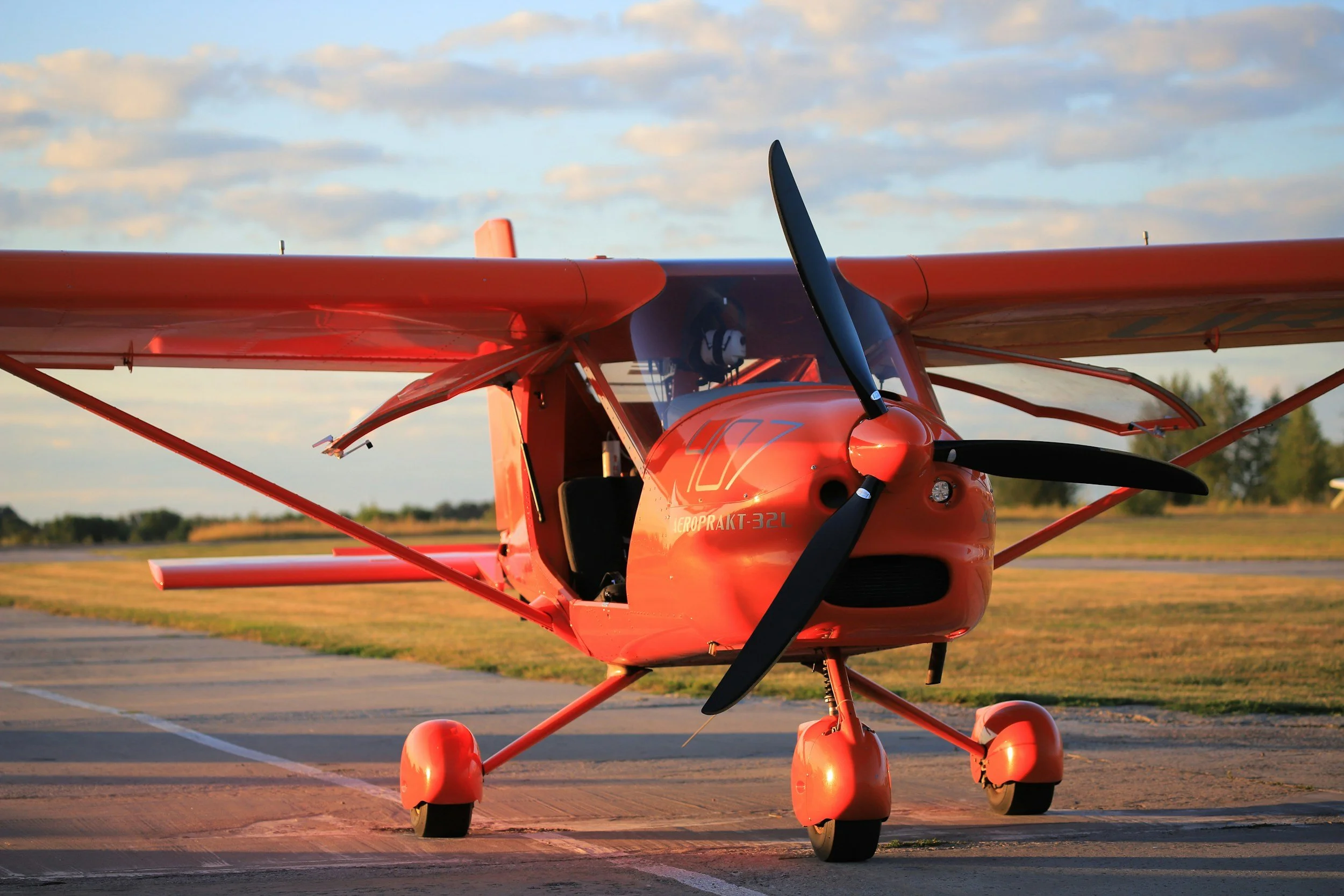
A Sport Pilot License (SPL) allows you to act as pilot-in-command of a light-sport aircraft for personal and recreational flying. It’s a more accessible entry point into aviation, designed to get you in the air with fewer requirements while still offering meaningful freedom to fly.
With an SPL, you can:
Fly light-sport aircraft only (smaller, simpler airplanes) during the day in visual conditions
Take one passenger maximum with you on personal flights
Travel to nearby airports and explore new destinations
Fly for leisure, sightseeing, or casual cross-country trips
Build flight experience and transition to advanced certificates later
A Sport Pilot License does not allow flying at night, in instrument conditions, or for compensation or hire, but it provides a simple, cost-effective way to enjoy flying and gain real-world experience.