
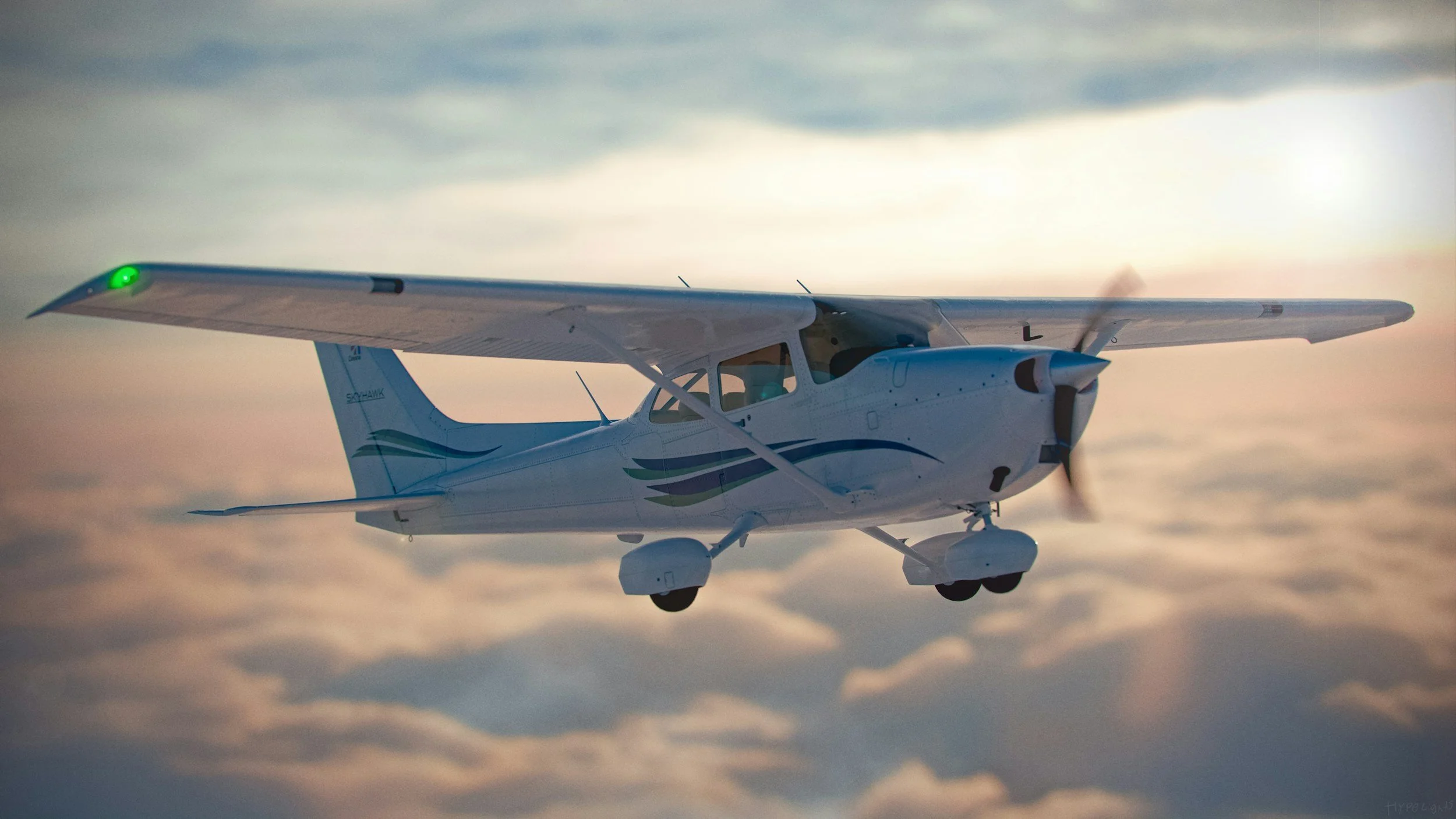
Private Pilot Rating
A certification that allows you to fly an aircraft for personal, non-commercial use. It’s the foundational license where you learn the basics of flying, navigation, and safety, giving you the ability to plan and complete flights on your own.
Last updated: April 2026 | Reference: 14 CFR §61.103
What is a Private Pilot License?
A pilot's license is the certification required to legally operate an aircraft. The Federal Aviation Administration (FAA) sets the requirements for obtaining a private pilot license.
By earning a private pilot license, you can legally fly an aircraft for personal and non-commercial purposes. Private pilots are trained to navigate small aircraft by themselves. Flight training includes aircraft maneuvers, navigation, emergency procedures and cross-country flight planning. While people may seek the license for hobby or sport reasons, a private pilot certification is the first major milestone on the road to becoming an airline pilot.
What Are the Eligibility Requirements for a Private Pilot Certificate?
To earn a Private Pilot Certificate, students must pass a practical test with an FAA examiner that includes both an oral and flight portion. Prior to this, an instructor must train and endorse the student, confirming they meet all required flight experience. Students must also pass a written knowledge exam. Applicants must be at least 17 years old and able to read, speak, write, and understand English.
-
To earn a private pilot certificate, a pilot must:
Be at least 17 years of age
Read, speak, write and understand the English language
Hold a U.S. student pilot certificate, sport pilot certificate, or recreational pilot certificate
Receive flight training and a logbook endorsement from an authorized instructor
Meet the aeronautical experience requirements for the aircraft rating sought
Pass a practical test for the aircraft rating sought
Reference 14 CFR §61.103 for a complete listing of all requirements.
-
According to federal regulations, you must meet the following aeronautical flight experience requirements to earn a private pilot license. At a minimum, private pilot candidates qualified for the practical test will have logged 40 hours of flight time that includes 20 hours of flight training from an authorized instructor as well as 10 hours of solo flight. The training must include:
3 hours of cross-country flight training
3 hours of night flight training consisting of:
One cross country flight over 100 nautical miles total distance
10 takeoffs and 10 landings to a full stop with each landing involving a flight in the traffic pattern at an airport
3 hours of flight training on control and maneuvering solely by reference to instruments
3 hours of flight training with an authorized instructor in preparation for the practical test within the preceding 2 calendar months from the month of the test
10 hours of solo flight time consisting of:
5 hours of solo cross-country time
One solo cross country flight of 150 nautical miles total distance with full stop landings at three points and one segment of the flight consisting of a straight line distance of more than 50 nautical miles between takeoff and landing locations
Three takeoffs and three landings to a full stop (with each landing involving a flight in the traffic pattern) at an airport with an operating control tower
-
Total Flight Time: 40 Hours
Cross-Country Flight Time: 3 Hours
Night Flight Time: 3 Hours
Instrument Training: 3 Hours
Training with Authorized Instructor: 3 Hours
Solo Flight Time: 10 Hours
Reference 14 CFR §61.109 for more details on flight time requirements.
-
In order to exercise the privileges of a private pilot license, you must hold a third-class medical certificate, which can be obtained through an aeromedical examiner (AME). This should be done early on in training as you will not be able to solo an airplane without your medical certificate. Certificates must also be renewed periodically. If you are under the age of 40, this is every 60 months. While if you are over the age of 40, you must renew your medical certificate every 24 months.
-
Once you’ve completed the required flight training, you’ll be eligible for the FAA Practical Exam—commonly known as the checkride.
The checkride is administered by a designated FAA examiner and includes two parts: an oral exam followed by a flight test. The flight portion is only conducted after successfully passing the oral exam.
If both parts are completed successfully, the examiner will assist with your FAA paperwork, and you’ll be issued a temporary Private Pilot Certificate. This allows you to fly as a private pilot while you wait for your official FAA certificate to arrive in the mail.
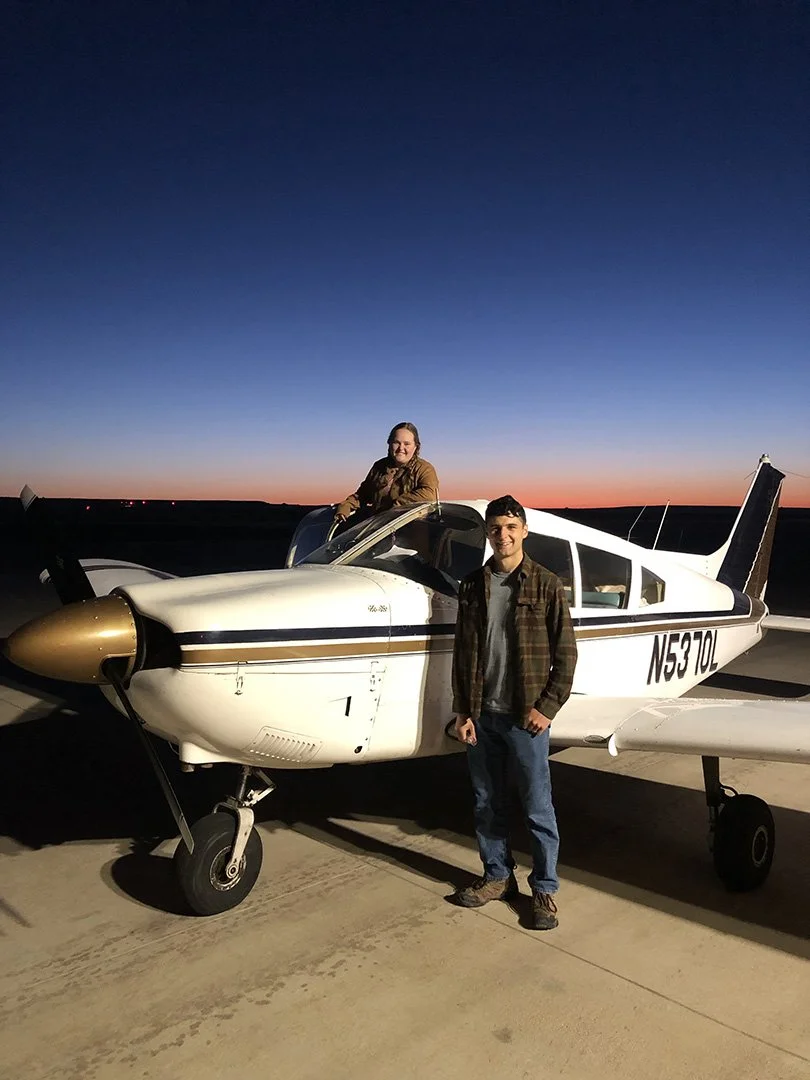
What Can I Do With a Private Pilot License?
A Private Pilot License (PPL) allows you to act as pilot-in-command of an aircraft for personal and recreational flying. It’s the first major step into aviation and opens up a wide range of opportunities in the sky.
With a PPL, you can:
Fly yourself, friends, and family on personal trips
Travel to destinations without relying on airlines or commercial schedules
Rent or own a single-engine aircraft
Build flight experience toward advanced ratings (Instrument, Commercial, etc.)
Fly for leisure, sightseeing, or cross-country adventures
A Private Pilot License does not allow you to fly for compensation or hire, but it gives you the freedom to operate aircraft in a highly flexible and rewarding way.